
Normal Labs, but Still Puffy, Heavy and Bloated? Here's What Tests Don't Measure
You wake up with a puffy face. By 5 p.m. your ankles have vanished and your shoes feel tight. By dinner your stomach looks stretched — even on a light day. Yet every blood test comes back "normal." If that sounds like you, you are not imagining it, and you are far from alone.
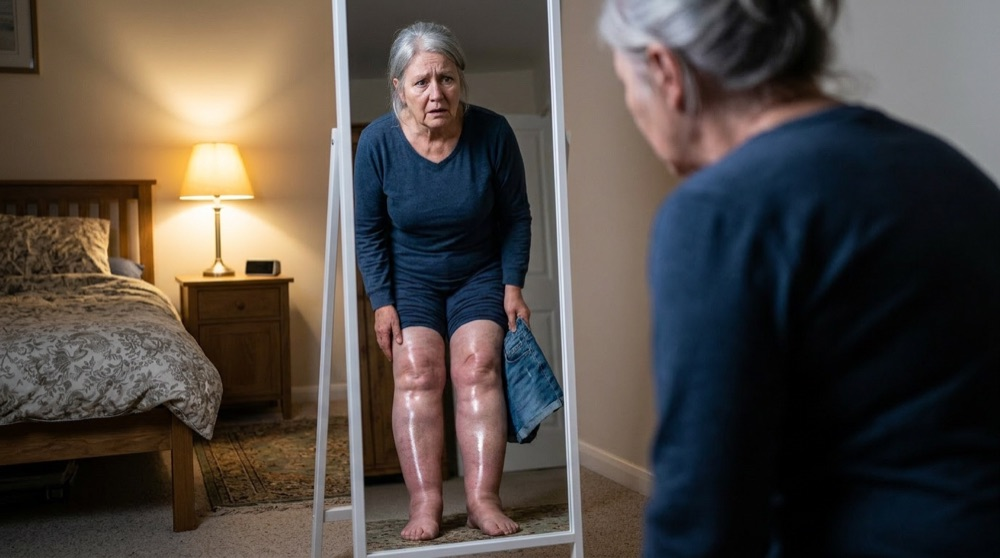
Routine blood panels check markers like kidney, thyroid and heart function — but they do not directly measure your lymphatic flow or daily fluid balance. That's why labs can read "normal" while you still feel puffy, heavy and bloated. These symptoms often trace back to one system moving slowly, not several separate problems.
Key takeaways
- Standard labs don't measure lymphatic flow or fluid balance — normal results don't rule out either.
- Morning puffiness, heavy legs and evening bloating can be linked expressions of the same slowed system.
- The lymphatic system has no pump; it depends on movement, hydration and daily support.
- External fixes (compression, massage, water pills, less salt) work from the outside or the intake side, not the internal flow.
- Four traditional botanicals are used to support that flow — as a gentle daily ritual, not a harsh cleanse.
Why can my blood tests be normal when I clearly don't feel normal?
This is the most common — and most frustrating — experience people describe. Your thyroid is fine. Your kidneys are fine. Your heart looks good. And yet the mirror and your shoes tell a different story.
The reason is simple: a standard blood panel was never designed to measure fluid movement. It measures concentrations and function of specific organs and markers. It doesn't map how efficiently fluid moves through your tissues and drains away. So a "normal" result is accurate — it just answers a different question than the one your body is asking.
What is the lymphatic system, and why doesn't it show up on tests?
Think of your body as having two circulation networks. The first is your blood, pushed by the heart. The second is your lymphatic system — a network that collects excess fluid and waste from your tissues and returns it to circulation.
Here's the crucial difference: the lymphatic system has no pump of its own. It relies on movement, muscle contraction, breathing and hydration to keep fluid moving — often upward, against gravity. When that flow slows, fluid can linger in the tissues longer than it should. There's no single routine test that "owns" this system, which is part of why it's so often overlooked.
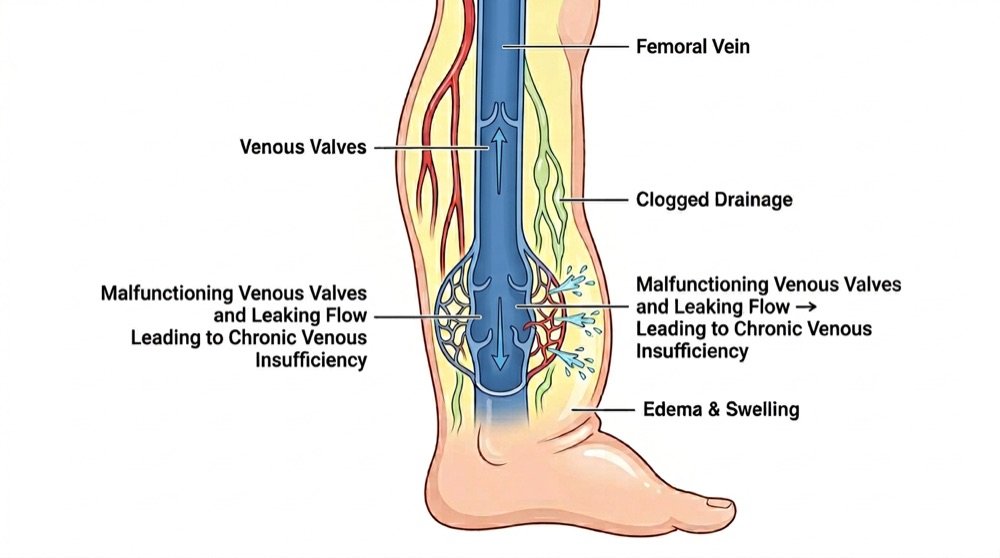
Why do I wake up with a puffy face?
Overnight, you're lying flat for hours. Fluid that pooled in your legs during the day redistributes — and some settles in the soft tissues of the face, especially around the eyes and cheeks. For many people, morning puffiness is simply the "top of the cycle" of a system that's clearing fluid a little slower than it used to.
Why do my ankles and legs swell by the end of the day?
This is the "bottom of the cycle." After hours of sitting or standing, gravity pulls fluid downward, and a slowed flow struggles to move it back up efficiently. The result is heaviness, tightness, and the tell-tale sock marks pressed into your ankles at night. People who stand for a living — nurses, teachers, stylists — often feel this most sharply.
Ankles swell by evening because the lymphatic system has no pump and depends on movement to move fluid upward against gravity. After a long day, fluid pools at the lowest points — ankles and feet — until you lie down and it redistributes.
I eat clean — so why am I bloated at night?
Plenty of people cut gluten, dairy and FODMAPs, run every test, and still bloat by evening. That's a strong clue that not all bloating is digestive. A stomach that's flat at breakfast and stretched by dinner is behaving more like fluid than food — and definitely more like fluid than fat.
Is it water retention or is it fat?
Here's a simple way to think about it: fat does not appear and disappear within a single day. It doesn't form in twelve hours or vanish in four. If your weight swings two or three pounds between morning and night, or day to day, a large part of what you're seeing is fluid, not fat. That distinction matters — because no diet can drain what isn't fat in the first place.
Quick self-check: does this sound like you?
- Rings and shoes fit in the morning but feel tight by afternoon
- Socks leave deep marks pressed into your ankles at night
- Your stomach is flat at breakfast and stretched by dinner
- The scale swings 2–3 lbs from one day to the next
- Your face looks puffier in the mirror than you feel inside
- You've been told "your labs are normal" more than once
If three or more feel familiar, the rest of this article was written for you — because this pattern has an explanation.
How common is this, really?
Very. These complaints are widespread, especially in women over 40 — they're just rarely connected into one picture.
Sources: American Heart Association / Circulation; THE SAGE GROUP (2025); Clinical Gastroenterology and Hepatology (survey of 88,795 U.S. adults). See full references below.
Why don't compression, water pills or cutting salt fix it?
Because most common approaches work on the outside or the intake side — not the internal flow itself.
| Common approach | What it does | The limitation |
|---|---|---|
| Cutting salt | Lowers sodium intake | Addresses intake, not drainage |
| Drinking more water | Hydrates | Doesn't move fluid that's already stagnant |
| Compression / massage | Pushes fluid from outside | Temporary; doesn't support flow from within |
| Water pills (diuretics) | Force kidneys to shed water | Can deplete you; doesn't support the flow |
| Elevating legs | Uses gravity briefly | Returns once you stand again |
None of these are "wrong" — they simply don't support the one thing that many people find is the missing piece: the internal flow, supported daily, from within.
If this feels personal, you're not alone
"I keep a second pair of shoes in the car because I know mine won't fit by afternoon."
"My ankles disappear by 3 p.m. I can't even see the bones anymore."
"I'm tired of being tired. And nobody can tell me why."
Comments like these fill patient forums and support communities by the thousands. The frustration is real — and so is the pattern behind it.
What actually supports healthy lymphatic flow?
The foundations are unglamorous but real: movement (walking, calf raises, simply not sitting for hours), hydration, breathing, and reducing long stretches of stillness. On top of those, a tradition of botanicals has long been used to support circulation and the body's natural drainage.
The four botanicals in the traditional approach

Cleavers
Traditionally used to support the body's natural drainage pathways.

Stillingia Root
Traditionally used to support the release of fluid that feels "stuck."

Prickly Ash Bark
Traditionally used to support circulation and get things moving.
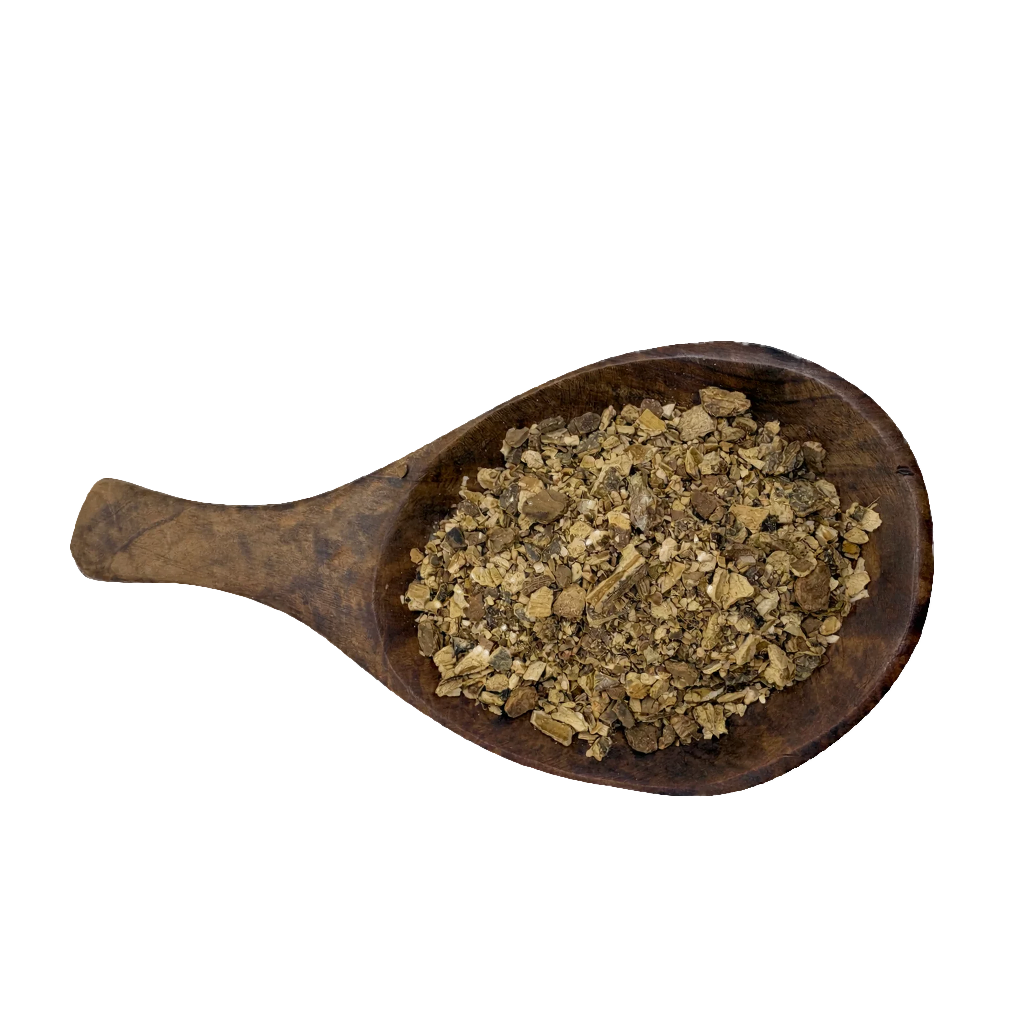
Red Clover Blossom
Traditionally used to support circulation and fluid balance.
The 30-Second "Flow Ritual" — Explained on Video
How four traditional botanicals support the system your lab tests never measured — and why drops work differently than capsules.
Prefer reading? Keep scrolling — everything in the video is covered below. Or skip ahead to today's offer →
How LinfaFlow® fits in
LinfaFlow® combines those four botanicals into liquid sublingual drops organized around three complementary steps — awaken circulation, loosen and mobilize, then support natural drainage and balance. Unlike capsules, drops are absorbed under the tongue, and the whole thing is a 30-second daily ritual: no pills, no harsh cleanse, no water pills.
It's designed as daily support, not a quick fix — think of it like a habit you keep, the way consistency (not intensity) is what sustains most healthy routines.
Support your body's flow — from the inside
Four traditional botanicals, one 30-second daily ritual. Backed by a 90-day money-back guarantee.
See LinfaFlow® & Today's Offer →One-time order · No subscription · Free U.S. shipping
What customers are saying
"The swelling in my legs had become something I expected every day. Now they look smoother and more defined, and I can get through the afternoon without feeling like my legs are weighed down."
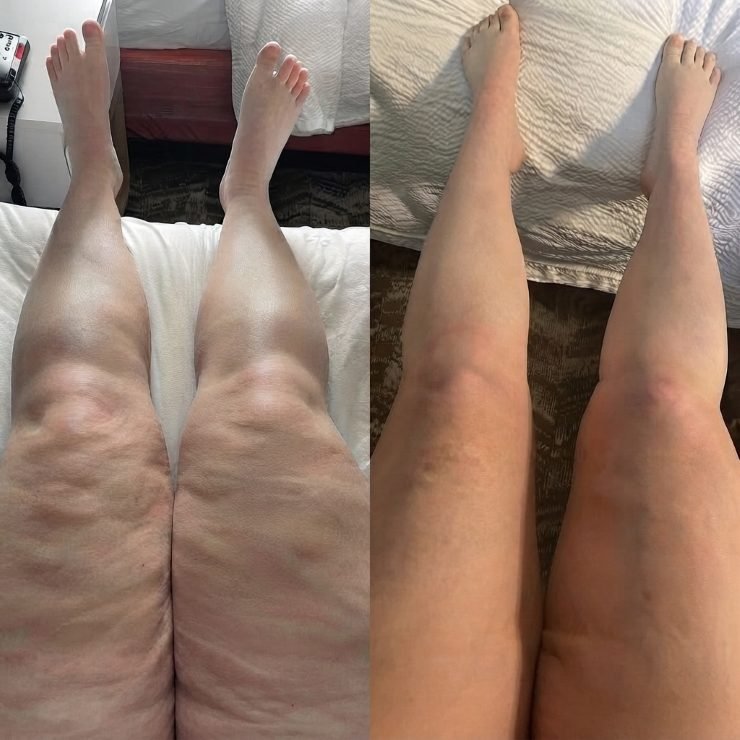
"I used to wake up with a puffy face and swollen-looking eyes no matter how much I slept. After using it consistently, my face looked noticeably less bloated in the morning and I finally started looking refreshed when I woke up."
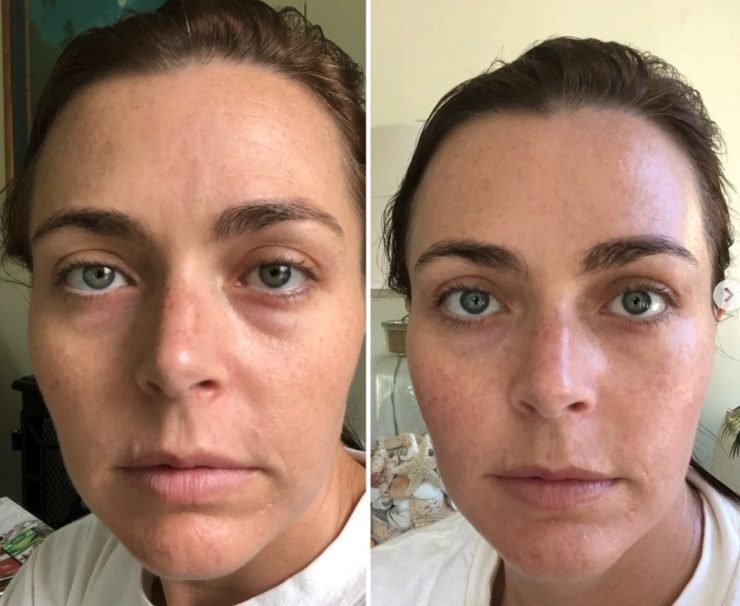
"By the end of the day, my ankles used to look puffy and my lower legs felt tight and heavy. After using it consistently, my shoes fit more comfortably and my legs finally felt lighter again."
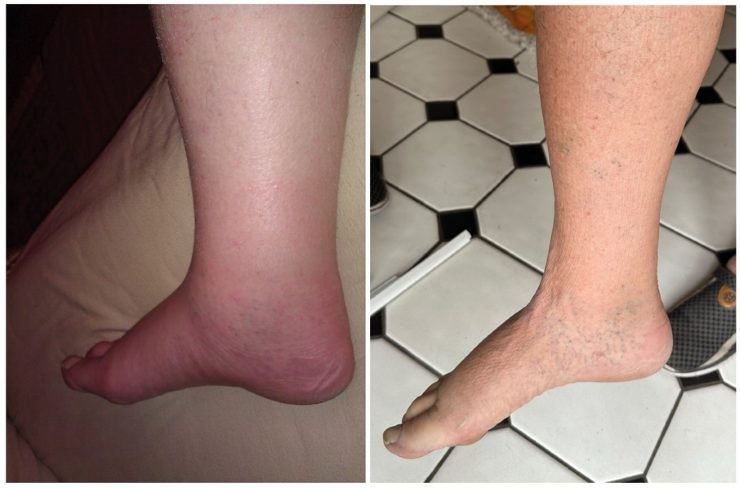
"My legs used to look swollen and feel heavy almost every evening. After staying consistent, the puffiness visibly went down and I could finally sit through the day without that tight, weighed-down feeling."
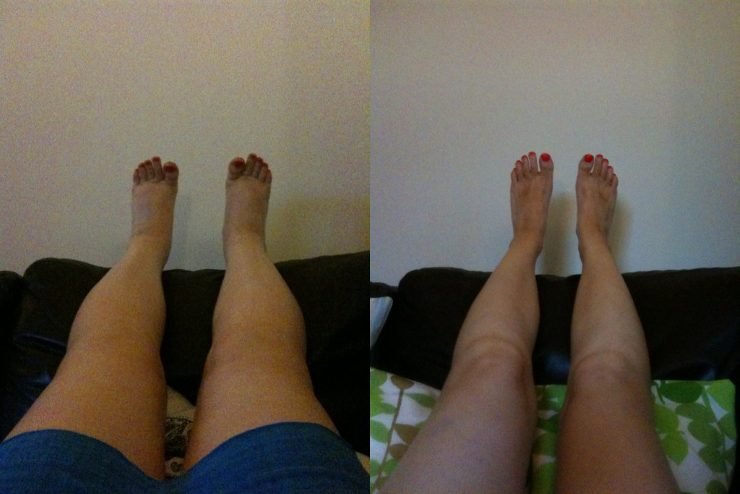
"Every morning, my face looked swollen and heavier around my cheeks and jaw, even when I had slept well. After staying consistent, the puffiness went down and I finally started recognizing myself in the mirror again."
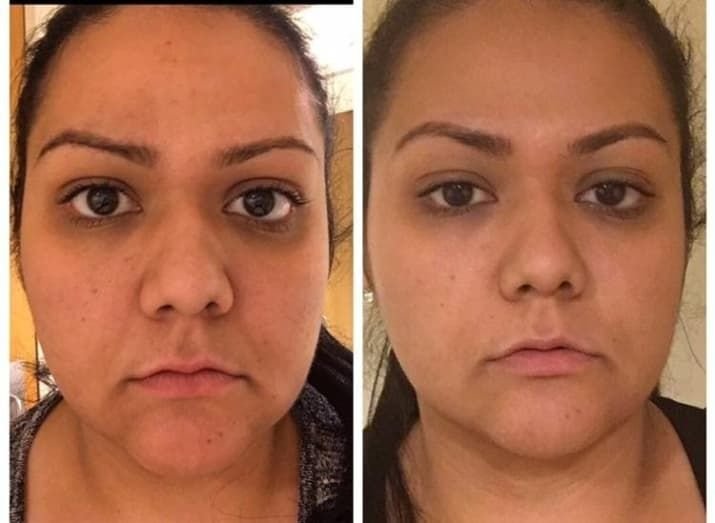
"I started taking Linfaflow because I was tired of waking up with a puffy face and heavy-looking under-eyes. After using it consistently, the swelling eased and my whole face appeared fresher in the morning."
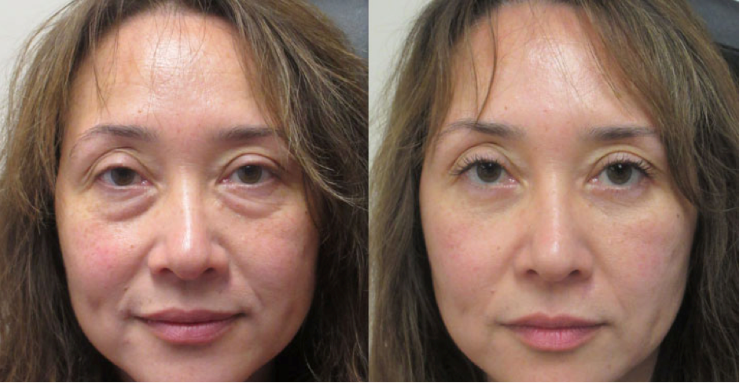
Testimonials from the official LinfaFlow® site. Individual results may vary — these reflect personal experiences, not guaranteed outcomes.
When should I see a doctor instead?
Occasional puffiness and end-of-day heaviness are common. But sudden swelling in one leg, swelling with chest pain or shortness of breath, or rapid weight gain can signal something that needs medical attention. Supplements are for daily wellness support — they are not a treatment for any medical condition. If you take medication (especially diuretics, blood thinners or diabetes medication), talk to your doctor or pharmacist before starting anything new.
Frequently asked questions
Can blood tests be normal while I still feel puffy and heavy?
Why do my ankles swell by the end of the day?
Is a bloated stomach at night water or fat?
Is LinfaFlow® a diuretic?
How long before I notice anything?
Can I take it with my medication?

Try LinfaFlow® risk-free for 90 days
If you don't feel lighter and more like yourself, one email gets you a full refund — even on empty bottles. The risk sits with them, not with you.
See LinfaFlow® & Today's Offer →One-time order · No subscription · Free U.S. shipping · Visa & Mastercard
References
- American Heart Association / Circulation — chronic venous insufficiency prevalence.
- THE SAGE GROUP (2025) — chronic venous disease market and prevalence estimates.
- Lymphatic Education & Research Network — lymphatic system overview.
- Clinical Gastroenterology and Hepatology — bloating prevalence survey (88,795 U.S. adults).
These statements have not been evaluated by the Food and Drug Administration. This product is not intended to diagnose, treat, cure or prevent any disease. This article is for informational purposes and is not a substitute for professional medical advice. Consult your physician before use if you are pregnant, nursing or taking medication. Individual results may vary.